
The gut microbiome and cancer treatment outcomes: emerging studies
You may have heard me discuss the importance of gut health as a crucial factor in supporting our overall well-being. This is largely due to the trillions of bacteria that reside in our gastrointestinal tract, collectively known as our microbiome.
In this post, I want to talk about some exciting findings from recent studies and review the literature around the connection between our gut microbiome and breast cancer, in both treatment and recovery.
Research shows that our microbes play a significant role in shaping our immune response. This effect can be both positive and negative. While a balanced microbiome can support our health, an overgrowth of harmful or pathogenic bacteria can lead to potential health issues, including cancer, as some of the bacteria found in our gut may have direct carcinogenic effects.
The term ‘polymorphic microbes’ has been added to the accepted list of cancer hallmarks, and most recently, in a promising new step that this gut-immune communication network is being taken seriously within the medical field, a review of the literature published in the Journal Of The American Medical Association cautiously acknowledged that microbes may:
Affect carcinogenesis and metastasis
Moderate cancer treatment, outcomes and responses
Change the incidence and experience of treatment-related adverse effects- our response and recovery from surgery, chemotherapy, radiotherapy and immunotherapy.
It is essential to recognise that tumours have their own microbiome, which influences treatment responses; thus, this factor should be considered in future treatment plans.
As a nutritional therapist, I utilise a wide range of in-depth functional testing within my practice, and upon reading this latest research, I felt a sense of reassurance that I can look into the health of not only my microbiome, but that of my clients as another supportive tool in our quest for optimal health after a breast cancer diagnosis and a tough treatment regime.
It’s hard to know if certain symptoms that appear stem from our almost overnight transition into medical or surgical menopause, but as a holistic therapist, I believe it’s a good idea to dig a little deeper and ensure we address any imbalances within the body.
~
I had a client who was post-breast cancer and came to me with severe fatigue, joint pain, and brain fog. She believed that these issues were now due to her being postmenopausal, which is understandable, as hormonal changes can indeed cause these symptoms for some women. However, during her consultation, I began to suspect that there might be another underlying cause for her health struggles.
I shared my thoughts, we agreed to order some testing, and the results confirmed my suspicions: Candida fungal yeast overgrowth. As well as the symptoms above, it was the sudden, worsening cravings for sugary foods and occasional bloating and reflux that led me to believe this commensal but opportunistic microorganism had overgrown and was causing problems.
Now, as stated above, candida is a commensal microorganism found in around 70% of the population’s gut, commensal meaning it usually lives there quite happily without issue. But when the terrain of the gut is less favourable, it thrives, and we end up with a fungal yeast overgrowth, and if left untreated, can cause both digestive and systemic inflammation and damage to tissues and other organs.
And what can affect the health of the gut?
Sadly, the collateral damage from Chemotherapy and radiotherapy :(
These treatments target rapidly dividing cells, which also line the digestive tract and, once damaged, lead to gut permeability, chronic inflammation and dysbiosis, a decrease in ‘good’ bacteria and an increase in harmful, pathogenic bacteria, thus killing off the very beneficial bacteria that we need for efficient immune function and the anti-cancer benefits of a healthy and robust terrain that I have discussed.
A healthy microbiome consists of a wide DIVERSITY of beneficial bacteria, and for these to flourish, we need to include lots of fibre and polyphenols from fruits and veggies within our diet. These prebiotic fibres feed and promote the growth and survival of the bacteria, and also produce Short-chain fatty acids (SCFAs) that strengthen the gut wall that cancer treatments can damage.
This highlights the evidence of combining nutrition, conventional treatment and the further functional testing available to us in supporting our body and the potential for better outcomes.
When I was going through treatment, and at the time feeling very lost and scared, I read a sentence written by the brilliant Dawn Waldron that reminded me of the very thing I preach daily, that good nutrition heals! she wrote ‘terms like prognosis are outdated and we have more leverage on our health than we are led to believe’ and I think these studies support just that!
I thought I would share a lunchtime favourite of mine: full of gut-loving goodness! Enjoy :)
Veggie & feta Fritters
serves 2
Feel free to swap any veg for whatever you have, sweetcorn also goes well with courgette
1 large carrot, grated and squeezed in a muslin to remove excess water
2 medium/ 1 large courgette, grated and squeezed in a muslin to remove excess water
1 cooked beetroot, grated and water removed
4 Tbsp. of ground almonds
100g feta, crumbled
pinch of salt
1 level tsp Invivo Prebio PHGG powder*
A low-FODMAP prebiotic fibre made from partially hydrolysed guar gum
Mix all of the ingredients well in a large bowl
Using your hands, shape into 8 fritters (not too thick or they will not cook through) and fry gently for a few minutes on each side or until golden. Serve with a side salad and a drizzle of extra-virgin olive oil.
REFS:
Chen, F., Zhuang, X., Lin, L., Yu, P., Wang, Y., Shi, Y., Hu, G., & Sun, Y. (2015). New horizons in tumor microenvironment biology: Challenges and opportunities. BMC Medicine, 13(1), 45. https://doi.org/10.1186/s12916-015-0278-7
Dzutsev, A., Goldszmid, R. S., Viaud, S., Zitvogel, L., & Trinchieri, G. (2015). The role of the microbiota in inflammation, carcinogenesis, and cancer therapy. European Journal of Immunology, 45(1), 17–31. https://doi.org/https://dio.org/10.1002/eji.20144497
Jaye K, Li CG, Bhuyan DJ. The complex interplay of gut microbiota with the five most common cancer types: From carcinogenesis to therapeutics to prognoses. Crit Rev Oncol Hematol. 2021 Sep;165:103429. doi: 10.1016/j.critrevonc.2021.103429. Epub 2021 Jul 19. PMID: 34293459.
How can a nutritional therapist help me?
I wanted to explain my approach to working with clients. If you’re considering collaborating with a nutritional therapist or functional medicine practitioner, I hope this will give you valuable insights into what to expect. I understand that there can be a misconception that working with a nutritional therapist means we will have you chomping on lettuce leaves for every meal and feeling deprived!
I will start by saying that couldn’t be further from the truth, and healthy eating most certainly does not have to mean boring!.
A good nutritional therapist will work with you and your personal food preferences, tweaking them and suggesting ways to boost the nutritional value of each meal, looking at what you can ADD to your diet to achieve this.
I am a naturopathic practitioner, which means I focus on using natural methods to promote health. I emphasise the importance of eating whole foods and obtaining nutrients from natural sources. I adopt a holistic approach, considering the entire body and not just isolating symptoms, and I address physical, mental and emotional well-being.
Rather than masking symptoms, we look to address the root cause of any imbalance, enabling the body to heal.
I provide 90-minute initial consultations, which gives us ample time to discuss your past and current medical history, family history, and eating habits. This discussion allows me to identify how your diet and lifestyle may be driving your health issues and spot any potential nutrient gaps/deficiencies.
At the end of your consultation, I will highlight the key areas we need to focus on and explain how they relate to your symptoms. Together, we will outline the initial steps of your nutrition plan that you feel comfortable implementing. I will also recommend any functional testing that could help us gain a deeper understanding of the root causes of your specific conditions. Additionally, I will dedicate extra time to researching your case after our 90-minute consultation.
I work with chronic cases, which means symptoms that we see are often due to imbalances within the body that have taken a long time (sometimes decades!) and are now impacting the body to the point that you have many different symptoms appearing.
Over time, many body systems can become impacted as they are all interconnected, and what has taken many years to develop can take some time to correct and bring the body back into balance. This is why I offer 3-month support packages within my practice. I have found this time frame works best to get you the results that you want with the support needed. 45-minute follow-up consultations are carefully spaced to allow check-ins on your progress, discuss any test results if relevant, review any supplements, celebrate the wins and support any challenges along the way.
My job as a nutritional therapist is deeply rewarding, as I help people who go from barely functioning to renewed energy and a zest for life!
If you are interested in discussing how I can assist you in your health journey, please book a free discovery call by clicking on the ‘work with me’button on the website, and I look forward to meeting you!
Food and the festive season (and a personal reflection on my eating habits)
I was asked this week whether I worry about food during Christmas, and the answer is no. Since it’s just a couple of days, I don’t stress about it. I eat what I want and enjoy gathering and sharing meals with family and friends, I know that it's our consistent habits that truly impact our health.
But this question got me reflecting on my health journey and like the person who asked me, I haven't always had this perspective or the ability to do that. My current approach is rooted in my nutrition training which has helped me change how I eat. Eating healthy has significantly improved how I feel, so I consciously choose to maintain this lifestyle for that very reason. This is a big change from my past when I would binge on sugary rubbish and lots of alcohol, feeling terrible afterwards, but would continue the cycle. I now know this is due to blood sugar imbalance, fuelling the need for more sugar as my levels peaked and crashed, causing hormonal havoc in the process.
This is not to say that I never crave certain foods, but those cravings have become much less frequent. I can enjoy just a piece of cake or accept a biscuit or two without feeling the need to buy and eat an entire packet, continuing this for days on end telling myself that I will "start again on Monday," as I had done for so many years.
I thought I would always be like that, but with my newfound knowledge and some effort, I realised I could make these changes. It took some time, but that’s okay because I was developing lifelong habits instead of seeking quick fixes that ultimately don’t work and leave you trapped in a cycle of repeating the same patterns, and I now help my clients to do the same.
It’s about fostering a good relationship with food and gaining science-backed knowledge on how certain nutrients can impact our health and how to balance our blood sugars to keep us full and prevent cravings so that we can avoid fad diets and misinformation, and learn what is right for our body’s needs.
But why are bad habits so comforting?
When it comes to food, it’s the way it is cleverly manufactured—with the right mix of salt, sugar, and fats—that activates the reward and pleasure pathways in our brains, making us crave more. This is why that bowl of salty, crunchy crisps can be so difficult to stop eating! ( check out my blog on ‘Dopamine’.) However, we can work on rewiring our brains by developing new eating habits, and there are many strategies we can implement to support this process.
The lead-up to Christmas can bring many social engagements, which can make things a bit more tricky as you are bombarded with a vast array of ‘party food’. Still, it doesn’t have to involve weeks of unhealthy eating and excessive drinking if you don’t want it to, if this is where you struggle and want to make changes, working with a nutritional therapist can help you achieve a healthy and balanced approach to food and your diet for life. The good news is that in time, this approach can become second nature rather than feel like a chore or a battle at every meal or function.
I thought I would share a few tips so you can be armed with the right strategies to find a happy balance and not end up feeling anxious, overindulged, and drained after all of your festive engagements. Remember your overall health is not impacted by a few nights out so enjoy them!
Don’t skip meals earlier in the day- eat a balanced breakfast and lunch consisting of protein ( meat, fish, beans, lentils, hummus) and healthy fats (olives and olive oil, nuts, and seeds, avocado) to balance your blood sugar which reduces sweet cravings and will also help slow down the absorption of alcohol. Having a snack or a small meal before you go out can help you from overindulging in unhealthier options later on.
Hydration- it’s easy to mistake dehydration for hunger, ensuring you are well hydrated by consuming 1.5 - 2 litres of water per day helps to curb snacking, will help your liver detoxify any alcohol, and helps prevent a headache the next morning. If you do not like drinking plain water try adding frozen fruits, and herbal teas also count towards your daily fluid intake. You could also try alternating an alcoholic drink with a soft drink.
Get enough sleep- In the days running up to your party ensure you are giving your body enough rest. Sleep deprivation can impact our hunger hormones by increasing Ghrelin which increases our hunger and appetite, while reducing Leptin the satiating hormone that signals to your brain that you have enough stored energy and feel full.
Be mindful and check in with yourself- do you really want to drink again tonight or are you doing it just because you feel everyone else is? There are some great alcohol-free options available now too. Buffet food- load up with protein, and colourful veg/fruit to include fibre and polyphenols, these antioxidants will also help detoxify any alcohol and reduce inflammation within your body. And remember you don’t need to overload your plate, you can always return for seconds if you need to :)
Dopamine
What has this brain chemical got to do with our nutrition? quite a lot actually, read on to find out how.
Dopamine is a neurotransmitter and chemical messenger for your nerve cells.
Dopamine acts on our reward pathway to give us feelings of pleasure, satisfaction, and motivation and also plays a part in our memory, mood, learning, and concentration.
Our reward pathway contains essential survival instincts, such as eating. We must enjoy eating, or else we would not bother, and we would die! However, sometimes, this can work against us. I don’t need a chocolate bar, a big bowl of ice cream, or a bottle of wine but I want it bad! And that’s dopamine talking.
Dopamine drives our motivation for pleasurable things, as well as food this can include shopping and gambling. But unfortunately, the dopamine rush we experience can become addictive, our dopamine receptors and our endogenous opioid peptides (EOPs generating pleasure signals) get down-regulated with chronic exposure, meaning you need more of that chocolate or wine to get that feeling of pleasure and reward, a dopamine ‘hit’.
We need a steady balance of dopamine, not too little (addiction, ADHD, poor memory and concentration, couch potato tendencies with no motivation), and not too much (aggression, paranoia, impulsive decisions and behaviour).
So what affects our dopamine balance?
Nutrition and our genetics
Our genetics play a part, and nutrigenomics is a science studying the relationship between our genes, nutrition, and our health.
Here at Nourish, we can run various nutrigenomic reports using a company called Lifecode Gx.
When looking at dopamine balance and brain health in general, we would run a nervous system report. This report looks at our genetics, and where our genetic SNPs (pronounced snips) lie. We all have them, but some may have SNPs that speed up the clearance of a neurotransmitter meaning lower levels within the brain, and others may have a poor/slow clearance and therefore cause higher levels.
One of the most important factors is to ensure that we include a sufficient amount of necessary nutrients within our diet to support our neurotransmitter pathways. We cannot change the genetic codes we are born with but by utilising these nutrients we can mitigate the pathways in our favour to prevent extremes and create more of a happy balance to support a steady mood, better concentration and lessen impulsive and reward-seeking behaviours. (and this is why I love the study of nutrigenomics)
Hormones and dopamine
Rising oestrogen causes a rise in dopamine. If you feel irritable or aggressive around the time you are ovulating and when oestrogen is high, it can be partly due to the fact your dopamine levels have increased.
Excess weight gain and dopamine
Excess weight gain can be linked to changes in the brain's dopamine system, unfortunately finding it harder to create that happy balance.
This is because excess weight gain and obesity will already be shifting the balance towards higher dopamine and physical stress within the body tips this balance even further. You then see an advert for your favourite food and it’s all you can think about, all of that dopamine is shouting you must get that chocolate! Lighting up this pathway even more.
Our hormone Leptin (that signals satiety) shuttles from our fat cells to our brain to say we are done, that we’ve had enough. Unfortunately, in cases of excess weight gain and obesity, our neurons no longer listen to our leptin signals and we become leptin-resistant.
Leptin can therefore no longer remove the dopamine signal, dopamine remains high causing you to reach for more chocolate, maybe some sweets, and let's wash it down with a sugary fizzy drink leading to a vicious circle.
Stress and dopamine
When we are stressed the body acts in a cascade of hormone communication. The Amygdala part of our brain is always scanning for threats, being chased by a tiger or a huge bill landing on your mat, our reaction to both cause the amygdala to release stress hormones.
When the threat is detected the amygdala activates our sympathetic nervous system (SNS) which raises blood sugar and blood pressure, it then alerts the Hypothalamus (controls hormone release) which alerts the pituitary gland which tells the adrenal glands to release cortisol, this is known as the HPA-axis.
Dealing with chronic stress impacts our ability to reason, by flooding our pre-frontal cortex in the brain with cortisol and dopamine.
Our pre-frontal cortex would, in normal circumstances, keep our behaviour and desires in check. But under fire, our rational decision-making goes out the window and again increases those reward-seeking behaviours with stress turning a small desire into the need for a big dopamine hit, potentially in the form of food and/or alcohol.
Many of the important nutrients needed in our dopamine pathway are often depleted due to our modern diet and stress levels. If you feel you need support to find balance and control and to be able to enjoy things in moderation please reach out, there are many things we can do regarding diet and lifestyle factors to help.

The effects of chronic stress on appetite and body weight
Stress- the modern-day health problem
How does stress store fat? And how would I go about supporting a reduction in both within a nutrition plan? Read on to find out.
Stress. Some is beneficial, it can boost work performance, support the immune system, and strengthen the neuron connections within your brain improving memory and attention.
But I am talking about when we are chronically stressed and our poor little adrenal glands (sat on top of each kidney producing our stress hormones) become fatigued from constantly pumping out cortisol and adrenaline into our bloodstream.
Within our autonomic nervous system, there are two divisions known as the parasympathetic nervous system and the sympathetic nervous system, you may however be more familiar with the terms ‘rest and digest’ or ‘fight or flight’.
We can rest, and digest our food when we are calm but in the presence of stress and in ‘fight or flight’ our heart rate increases, we begin to sweat, our pupils dilate and the blood flow is taken away from our digestive system and shunted to our brain and our muscles.
This happens because thousands of years ago, in the days of sabre-toothed tigers roaming the land, we would’ve had to run for our lives had we come face to face with the toothy big cat.
The trouble is, our stress response has remained the same and our bodies perceive all stress as the same. It doesn’t know that our stressful job, mounting bills, and all of the other stress that comes with juggling family life is not in fact a sabre-toothed tiger. Adrenaline and cortisol are pumping through our veins 24/7 wreaking havoc on our hormones and our health, and sadly no matter how well you are eating, if you are constantly stressed your health will suffer, and bothersome symptoms will remain.
So let’s dive into exactly how stress causes weight gain.
Our stress hormone cortisol has many jobs within the body, one of which is to increase and regulate our blood sugar levels by counteracting the effects of insulin.
Insulin is released by the pancreas when we consume sugar to shuttle the glucose from the blood into cells of the liver, muscle, and fat.
But when cortisol is released it needs that sugar for our alerted stress response, so what does it do… It breaks down our muscle to obtain it! And if that wasn’t bad enough the muscle that gets broken down is converted to fat and stored around our middle. So here you can see that despite the fact you may be avoiding sugary foods, if cortisol is present it is unhelpfully ensuring its supply of sugar to the detriment of your muscle mass!
This is a vicious cycle because skeletal muscle is necessary for efficient metabolism and is responsible for the ‘mopping up’ of 80% of the glucose (sugar) from each meal, so we really want to build muscle and not lose it!
Another problematic piece to this puzzle is that chronically elevated blood sugars and adipose fat can lead to insulin resistance, whereby the body’s cells no longer respond to insulin, and blood sugars remain elevated. This eventually leads to the development of type 2 diabetes.
Stress has also been shown in studies to cause an imbalance in our ‘hunger hormones’ Ghrelin and Leptin. Stress increases Ghrelin, a hormone that favours food-seeking behaviour, with a higher and prolonged increase in those overweight or obese according to their BMI.
Leptin helps to regulate our energy balance by suppressing hunger. Long-term stress-induced elevation of cortisol results in the over-production of leptin from adipose tissue and insulin from the pancreas, thereby reducing the sensitivity of leptin and insulin in the brain leading to leptin and insulin resistance and a loss of appetite suppression.
So what can we do regarding our diet and lifestyle to lower cortisol and bring our body back into a calmer state of ‘rest and digest’ and prevent unwanted weight gain?
Stress reduction is key, calming internal stress within the body is as important as external stress (job, bills, etc.) We will never be able to completely avoid all external stressors, that’s life unfortunately, but what we can do is support our nervous system and bring it back into balance so that we are not constantly running on adrenaline and cortisol.
We can do this by balancing our blood sugar, cutting out sugary foods, and ensuring we include protein and healthy fats with each meal, particularly breakfast, don’t skip it! A good example of a blood sugar-balancing breakfast would be a veggie omelette or Greek yogurt with nuts and seeds.
A balanced breakfast is crucial. When we wake we are in a fasted state and our blood sugar will have dropped, when our blood sugar drops too low cortisol is released to bring it back up, something we want to avoid! This also applies to lunch and dinner to stop those dips throughout the day and to prevent cortisol from being released.
Have you ever skipped breakfast and then wanted to reach for the biscuit tin by 10 am? Your low blood sugar would have caused the cravings for sugary foods, but what happens after you have eaten the biscuits? Your blood sugar soars only to come crashing back down again causing you to crave more sugary, carb-heavy foods and you end up on this blood sugar rollercoaster all day long.
Acutely, cortisol possesses anti-inflammatory properties, but in cases of chronically high levels, it has been shown to increase inflammation due to stress system activation, leading to a release of pro-inflammatory proteins and activation of immune cells.
Adopting an anti-inflammatory diet will help to counteract the inflammatory effects caused by chronically elevated cortisol and prevent further damage and hormone disruption.
Include plenty of fruit and vegetables in your diet. Diversity of plant foods is also key to supporting good gut health which further lowers inflammation so mix up your fruits and veggies each week.
Increasing foods that contain antioxidant-rich Polyphenols that possess anti-inflammatory properties and neutralize free radicals which cause inflammation and damage to our cells. Polyphenols can be found in colourful fruit and veg such as blueberries, blackcurrants, pomegranates, red cabbage, and legumes, herbs, and spices.
Polyphenols can also help to lower blood sugar levels by slowing the conversion of carbohydrates into simple sugars so win-win!
Include plenty of oily fish such as salmon, mackerel, and sardines (ensure these are wild-caught) rich in anti-inflammatory omega-3 fatty acids.
Meditation has often been seen as a bit ‘woo-‘woo’ in the UK, it originated during the ancient Vedic times of India and is one of the modalities used in Ayurveda, a natural health care system also known as the science of life.
At times when I suggest meditation to clients as part of their holistic plan I sometimes get a funny look, but hear me out. The benefits meditation has on regulating our nervous system are worth giving it a go, even 5 minutes per day can help to calm and bring us back into a state of parasympathetic nervous system dominance or, ‘rest and digest’ and there are now plenty of apps making it easy to do either first thing when you wake up, when you get into bed, or both!
Box breathing can also be hugely beneficial in helping to bring the body back into balance if you are feeling stressed or have had a stressful encounter.
Breathe in, hold your breath, breathe out, and hold your breath, holding for a count of 4 at each of the 4 steps.
The levels of stress I see in my clinic each day are profound, and I believe incorporating these practices into our daily lives can go a long way in supporting our health. Many say ‘I don’t have time for that’ but ask yourself this, would you have time to be ill?
I hope this has helped you to see the link between how stress causes hormone imbalance and weight gain.
Burnout is almost seen as a badge of honour these days, but as someone who has experienced this, I say let's show our bodies some love and nourishment, after all our health is everything.


The marvellous medicinal mushroom
I love the healing powers of medicinal mushrooms, I use them myself and with clients within my practice. My favourite brand for mushroom powders has to be APE Nutrition. They produce quality organic supplements with a great ethos of protecting nature and using farming practices that support the ecosystem around them.
Each medicinal mushroom has amazing properties and benefits for our health, but if it is stamina and endurance you are looking for then Cordyceps is the fun-gi you need to meet (see what I did there) and is the mushroom that I will be focussing on today.
Medicinal mushrooms can help to reduce fatigue and have been proven in studies to enhance cognitive function, they can help to balance the immune system and nervous system thereby helping our mood, so pretty awesome nutritional powerhouses!
They have been shown to improve both our physical and mental performance, increasing our endurance and helping our recovery from exercise.
Cordyceps has been used for many years in traditional Chinese medicine but how exactly does it boost exercise performance?
Medicinal mushrooms are rich in natural active polysaccharides named beta-glucans, provitamin D, and essential amino acids, but it is the cordycepin content together with cordycepic acid and adenosine (a building block of RNA that carries the genetic information for cellular processes to occur) that provides the cordyceps mushroom with its unique, energizing formula. [1]
These bioactive compounds can increase ATP production in the mitochondria within our cells. ATP is our primary energy source and essential for delivering energy to the muscles and this may also improve oxygen delivery, especially during exercise. [2]
We generate many reactive oxygen species (ROS) during exercise, as a by-product of ATP production within each cell. These are known as free radicals that cause inflammation and cellular damage impeding any further energy production and inducing muscle fatigue.
Whilst exercise is good for our health in many ways, during training, especially high-intensity or training regularly, unless we ensure a dietary intake of nutrients rich in antioxidants we can be causing the perfect storm of free radicals damaging proteins, our DNA, and the degradation of our cell membranes. Cordyceps have been shown to help stimulate antioxidant enzymes that help to ‘mop up’ and remove these damaging compounds.
You may have heard the term ‘hitting the wall’ when running a marathon. This is when the body has a sudden and dramatic decrease in energy due to glycogen stores becoming depleted.
Lactic acid becomes present in the blood when muscles need energy to work faster than we can supply them oxygen. Our muscles break down glycogen for energy, but with a lack of oxygen, glycogen is turned into lactic acid causing muscle fatigue and pain.
Cordyceps has been demonstrated to mitigate fatigue by inhibiting blood lactic acid generation and increasing glycogen storage in the liver and muscle when supplementing at a dose of 200mg. Studies show that consistent, chronic supplementation during periods of training is more beneficial with a noted increase in physical performance from week 3 onwards. [3]
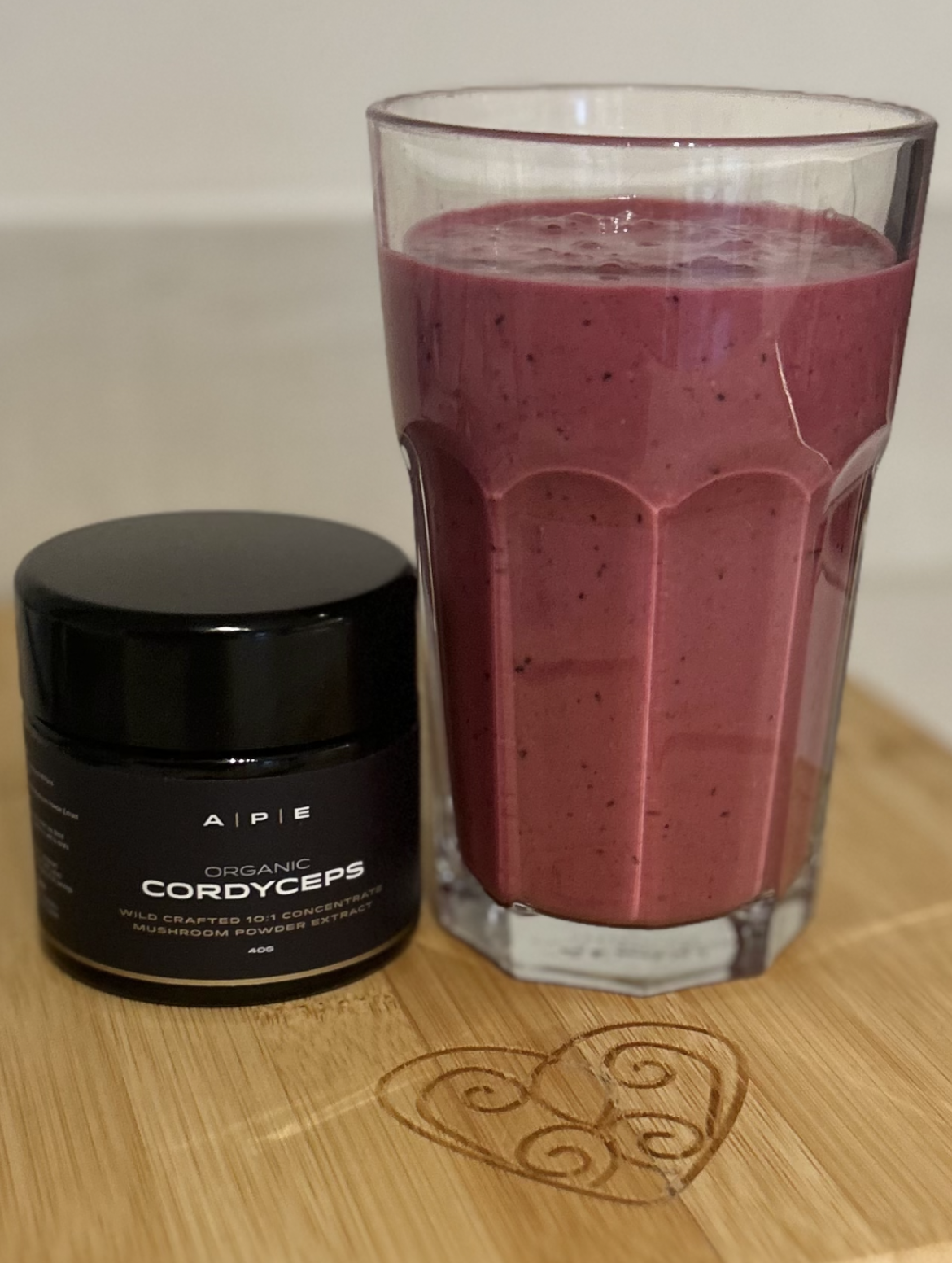
These amazing therapeutic properties of the cordyceps fungi have led me to create this pre-workout smoothie for one of my clients who has begun training for the London marathon. But of course, you do not have to be an athlete to benefit from the antifatigue effects of the cordyceps militaris.
If you are feeling weary, tired, lacking in motivation, and propping yourself up with caffeine and energy drinks, supplementation of this amazing mushroom alongside a healthy and balanced diet may just be what you need to increase your energy levels!
Power potion
300ml Unsweetened Almond milk
1/2 Banana - potassium for muscle function
2 Large pre-cooked Beetroot- nitric oxide for increased blood flow
Handful Blueberries- antioxidants to protect cells and lower inflammation
1 Tbsp. Chia seeds- omega-3 healthy fats, fibre, antioxidants
1 Tsp. Organic cordyceps powder- APE nutrition
1 scoop vanilla protein powder
2 scoops gluten free instant oats - Myprotein (optional, may need a drop more milk depending on how thick you like your shake)- Source of carbohydrate
Blend together and drink 1 hour before training
REFS
[1] Choi, E. Oh, J. Sung, G,H ‘Beneficial effect of cordyceps militaris on exercise performance via promoting cellular energy production’. Mycobiology(2020) pp. 512-517.
[2] Xu, Y.F (2016) ‘Effect of polysaccharide from cordyceps militaris(Ascomysetes)on physical fatigue induced by forced swimming, Int. JMedicinal Mushrooms’. 18 (12) pp 1083-1092
[3] P, Geng, K.C, Siu, Z. Wang et al (2017) ‘Antifatigue functions and mechanisms of edible and medicinal mushrooms’. BioMed research international. 10. 1155/9648496.
Roasted red pepper veggie pasta
1-2 large tomatoes, cut in half
1/2 red onion, sliced
1 bell pepper, cut into chunks
1/2 courgette, sliced
1 clove garlic, finely chopped/minced
65g fusilli pasta
3 Tbsp. olive oil
for the sauce
50g cashews, soaked in boiling water for 1 1/2- 2 hours
2 sundried tomatoes
1 roasted red pepper, from a jar
2 Tbsp. olive oil
salt and pepper
Method
Blend sauce ingredients in a food processor until smooth, adding a glug of water if needed
Put the pasta onto cook according to packet instructions
meanwhile add the chopped veg to a frying pan and saute in 1 Tbsp of oil until soft and browning, around 10 minutes
Drain the pasta, mix in the cooked veg and then mix in the sauce
garnish with basil leaves
Sweet potato lentil cottage pie
2 onions
2 carrots, peeled and diced
1 stick celery, sliced
200g mushrooms
3 cloves garlic, diced
2 Tbsp. tamari/soy sauce/liquid aminos
1 tsp cumin
2 tins of green lentils, rinsed and drained
1 tin chopped toms
For the topping
700g sweet potato
3 tsp butter
Glug of milk
Preheat oven to 180c fan/gas mark 6
Chop the sweet potato and boil for 15 minutes until soft, drain and mash
Meanwhile add oil to a large pan and saute the carrots, onions and mushrooms for 10 minutes until soft
Add the garlic and cumin and fry for another minute
Add the Tamari/soy/aminos, tomatoes and lentils and cook for 5 minutes
Add the mixture to a deep pie dish, top with the mash and bake for 20 minutes or until golden
Serve with some steamed greens
Courgette and sweetcorn fritters
200g courgette
100g sweetcorn
2 Tbsp. plain flour
1 spring onion, sliced
1 egg beaten
1 Tbsp. oil
Grate the courgette and squeeze through a muslin cloth to drain liquid
Tip into a large bowl and add the sweetcorn, flour, spring onion and egg, season with salt and pepper
Add the oil to a frying pan over a medium heat, spoon the mixture into heaps and gently flatten with a spatula.
Cook on both sides for 5 minutes
Top with a poached/boiled egg or some roasted carrots and tender stem broccoli
The best veggie burgers
· 2 large sweet potatoes, peeled and cubed
· 1 small red or white onion
· 2 garlic cloves, chopped
· Handful of shredded cavolo nero or curly kale
· 50 g chopped hazelnuts
· 2 tsp wholegrain mustard
· 100g mixed seeds
Cook the sweet potatoes in boiling water for 15-20 minutes until soft, set aside to cool in a large bowl
Gently sauté the onion and kale until soft then add the garlic and cook for further minute
Combine the onion mixture with the sweet potato and add in the chopped nuts, mustard and some salt and pepper, mix well
Shape into burger patties, pour the mixed seeds onto a large plate and roll the burgers to coat in the seeds
Gently fry for 5-6 minutes on each side in a little olive oil until golden and cooked through
Serve with a side of kimchi
Gut loving granola
· 2 Tbsp. coconut oil
· 200g rolled oats
· 50g chopped hazelnuts
· 50g sunflower seeds
· 50g pumpkin seeds
· 2 Tbsp. sesame seeds
· ½ tsp cinnamon
· 2 Tbsp. organic dried cranberries (optional)
Preheat oven to fan 150/gas mark 3
Line two baking trays with parchment paper
Gently melt the coconut oil in a large saucepan, tip ingredients into melted oil and mix well
Tip out onto both trays in a thin layer and cook for 20 minutes, stirring once halfway through, adding the cranberries for the last 5-10 minutes
Serve with yogurt and berries or as a topping for overnight oats
Chocolate and banana overnight oats
· 1/2 cup whole rolled oats
· 1 Tbsp. chia seeds
· 2/3 cup unsweetened almond milk
· ¼ cup coconut yogurt (optional)
· ½ banana mashed
· 1 tsp cocoa powder
· Pinch nutmeg and/or cinnamon
· ½ sliced banana
· Dark chocolate chips or cacao nibs
In a lidded kilner jar, place the oats, chia seeds, mashed banana, cocoa powder, nutmeg, cinnamon and yogurt, if using.
Add the almond milk and stir to mix well, breaking up any clumps of chia seeds and then cover and place in fridge for at least 4 hours or overnight.
In the morning stir the base and then top with banana slices and chocolate chips.